Meals on Wheels Durham and The Produce Box collaborate to distribute a monthly produce box to 100 individuals on the waitlist seeking MOWD’s cost-free services. This collaboration brings together organizations with different roles in addressing access to fresh food — an important marker of partnership in the food distribution sphere.
The Produce Box is a Raleigh-based business focused on supplying fresh fruits and vegetables to food insecure communities. The business began operating in 2009 and now functions as an online market that sources produce from North Carolina farmers.
Bailey McNeill, director of The Produce Box, says the business works with local farmers and suppliers, maintaining a shorter supply chain. With food safety headlines in the news, having fewer hands involved in the collection and distribution process creates more accountability, she says.
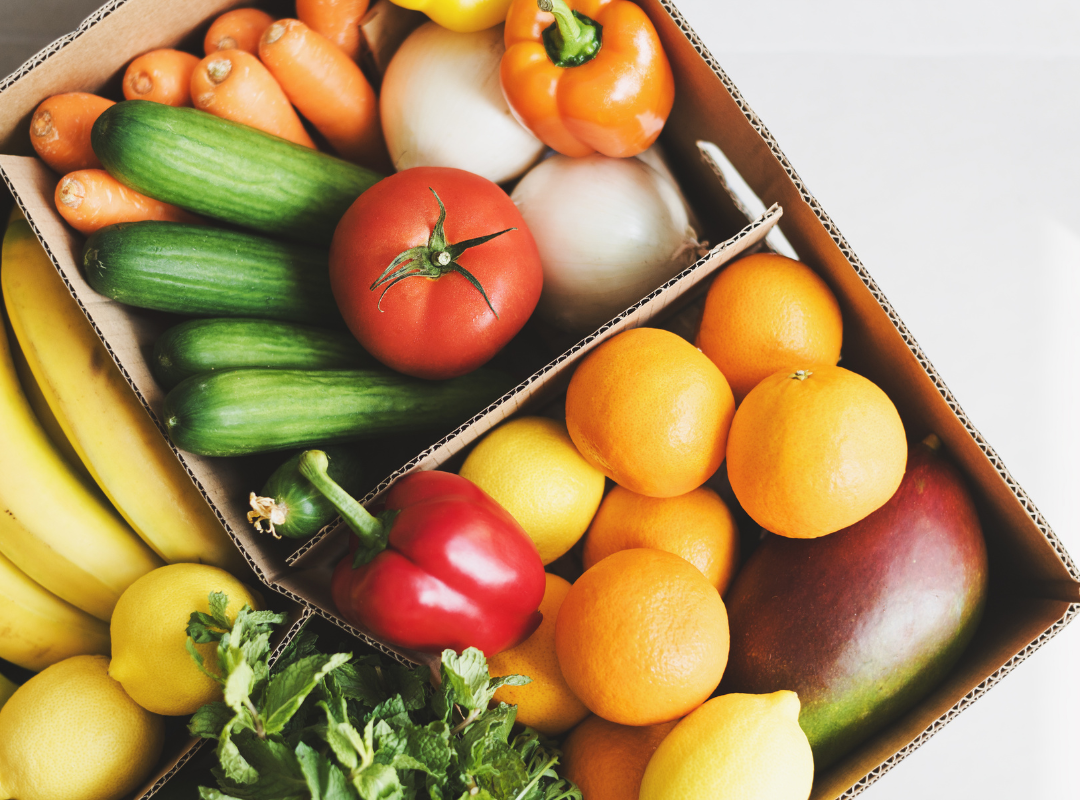
“For folks [who] may not have as great of access to fresh fruits and vegetables, it feels really important to us that we’re providing a quality product with dignity, and that it is as fresh and nutritious as possible,”
Bailey McNeill
Produce boxes distributed monthly through MOWD sometimes include personalized cards and cooking or preparation tips, she says. The Produce Box tries to focus on items that involve less prep and can be enjoyed right out of the box.
This intentionality eases the burden on homebound seniors, who otherwise may have to go to the grocery store, arrange transportation or factor in the financial burden of purchasing fresh produce, McNeill says.
Patricia Cercone, a current produce box recipient, says before she experienced a severe head injury and had to stop driving, she used to go to the Raleigh State Farmers Market for her fresh fruits and vegetables.
Cercone says she is very happy with the produce box. Whenever she receives vegetables, she typically prepares them with a low-sodium chicken broth to make a hearty soup.
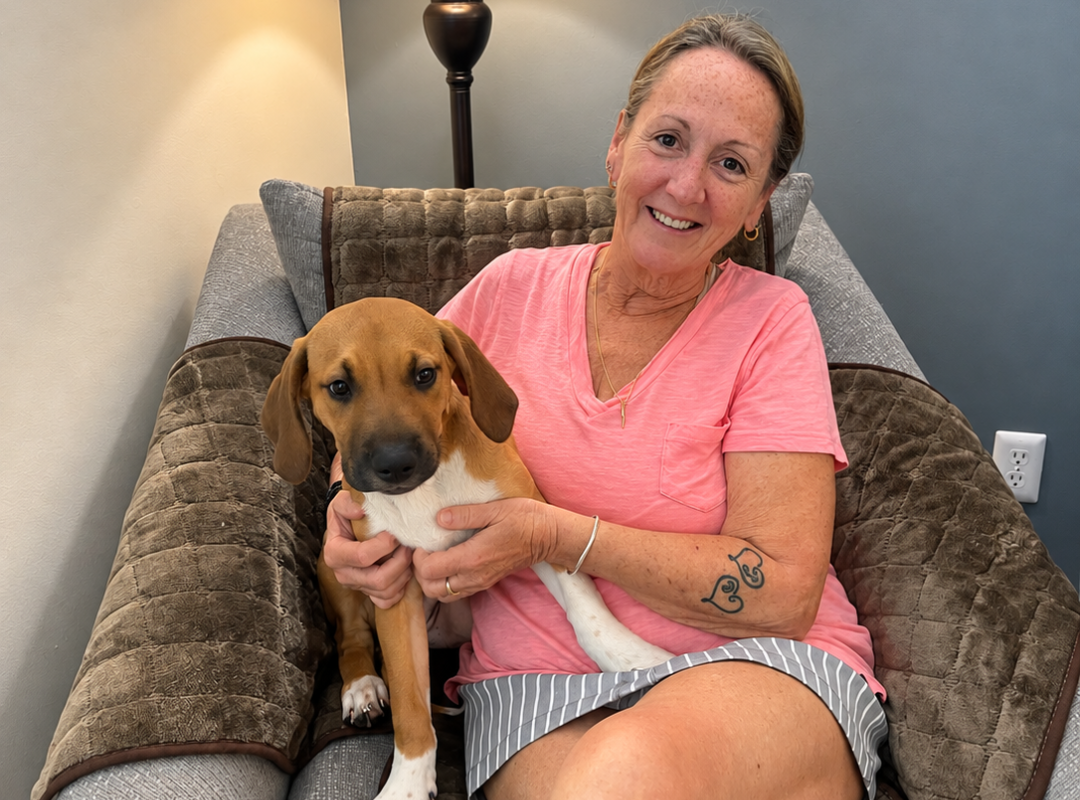
“Financially, it’s helping me a great deal because I’m on Social Security.” she says. “And I live in an apartment — I have all the bills. I just love getting the fresh [produce] because I cook it myself. The grocery store is expensive, and they usually spray it and do all that kind of stuff. So I love the fact that it’s from a farmer.”
Patricia Cercone
Cercone says she worried she would no longer be eligible for the produce box because she is close to being able to receive food stamps but is only dollars off the eligibility threshold. This brings its own set of frustrations, she says, because she worked her entire life and is not approved for a social service she thought she’d receive as she’s aged.
“Anything that you get and don’t have to pay for, especially food these days, is extremely helpful to me,” she says.
In terms of collaboration between businesses, nonprofits, and community connections, McNeill says “partnership is everything in this world.”
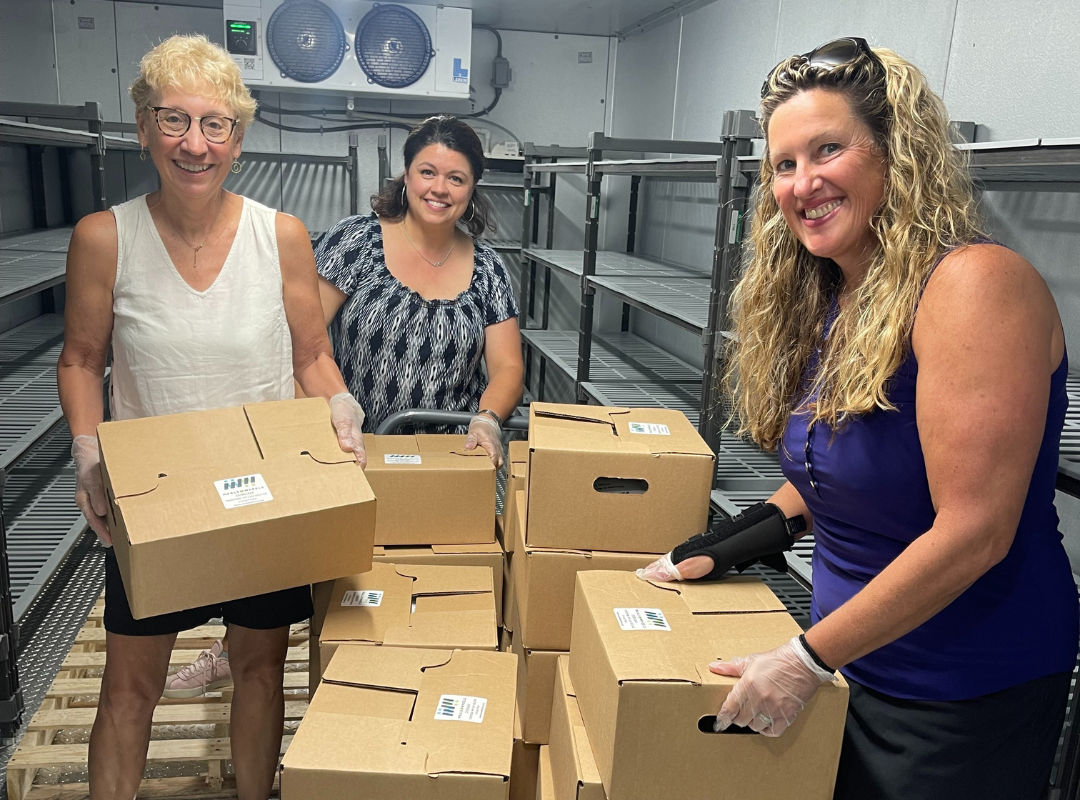
“In this partnership, MOWD maintains those really close client relationships and the last mile delivery and the wraparound services, and that’s something that The Produce Box doesn’t have capacity or those community connections to do so,” McNeill says. “So what we do best is working with our farmers, sourcing the produce, packing those boxes, delivering them on site, and then MOWD holds the other very important piece of that equation.”
Abagail Dawkins, MOWD’s Director of Operations, says MOWD is not only putting money towards the community through The Produce Box, but also investing in quality. She says it is important to give time and money to local farmers so they can continue to grow and provide food to the community at large.
“I personally love to build community and utilize [community partners] in the region to help support and sustain the lives around us,” she says. “Being able to tap into the farmers, tap into the fresh produce, to provide food to our clients and our applicants is important to building a web. We come together to do something that makes what we do that much stronger.”
Abagail Dawkins
In the future, McNeill says she is interested in increasing the number of boxes delivered through MOWD, serving 150 or 200 people on the waitlist rather than the current 100.
Dawkins says such an expansion depends on the size of the waitlist, grant applications with restrictions on the number of produce boxes purchased, and staff bandwidth to distribute the boxes and conduct outreach.
She says she would love the opportunity to increase the weight of the produce boxes as well, as each box presently weighs in around 15 pounds. Additionally, providing more information to recipients on how to prepare the produce and offering safe ways for seniors and individuals with disabilities to fully utilize the box is an avenue that can be explored in the future, she says.
“But overall, the quality and the intention is totally there,” Dawkins says. “It’s a great partnership. I very much enjoy [The Produce Box] and I know they do more than what they offer us. The quality is just perfect.”