Randy Smith lives in Dallas, Texas — nearly 1,000 miles from Durham. But every Wednesday and Friday morning, he picks up the phone and checks in on neighbors he’s never met in person. For almost three years, Smith has served as a wellness caller for Meals on Wheels Durham, offering something just as vital as a hot meal: a familiar voice and a few minutes of genuine connection. Here’s how a simple phone call is helping homebound older adults feel a little less alone.
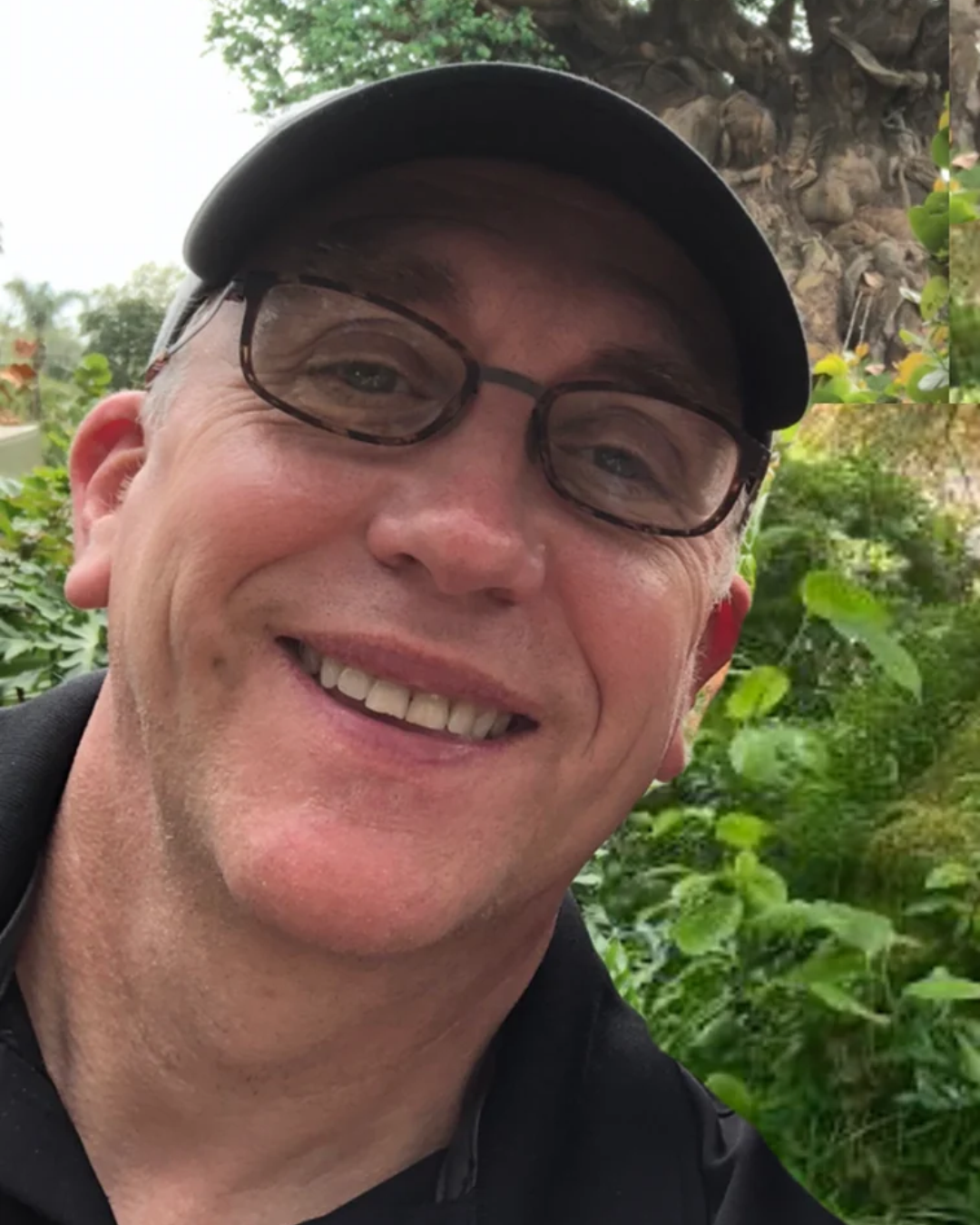
On Wednesday mornings, Randy Smith sits in his Dallas, Texas, home and calls homebound adults hundreds of miles away in Durham, North Carolina.
For nearly three years, Smith has volunteered as a wellness caller for Meals on Wheels Durham, checking in on homebound older adults who often have few people to talk to.
After an ischemic stroke in the left side of his brain in 2021, Smith sought volunteer work to fulfill his desire for community engagement, specifically a service that didn’t create a physical obligation he couldn’t sustain. Smith says he knew he couldn’t return to his job of 23 years.
Smith says he found the position posted on an AARP flyer online. There is no wellness caller program at the MOW in Dallas.
Wellness calls are made every week on Wednesdays and Fridays from a remote location. Volunteers receive a wellness call spreadsheet for the day via email, and calls are made between 9 a.m. and 12 p.m. Each route contains 10 to 14 clients, which averages around 60 minutes. Volunteers can sign up for three routes per day.
The appeal of the wellness caller position is that volunteers can check up on homebound adults and seniors from their own homes. A call offers social nourishment on both sides of the phone.
“I clicked it because I love engaging with people. I saw that and was like, wow — I think I can do this from here.”
Randy Smith
MOWD feeds people physically, Smith says, but “wellness calls feed them humanly.”
RELATIONSHIP-BUILDING AND CONNECTION
Smith says he doesn’t knock on doors like MOWD delivery volunteers do, but he’s gotten to know 35 to 40 clients over the phone by spending Wednesdays and Fridays making wellness calls for nearly three years. The experience, he says, is like having an elderly neighbor next door he is aware of, respectful to, appreciative of, and sees that appreciation and respect returned in kind.
When asked about the connections he's developed with clients who deal similarly with health or medical concerns, he pauses, raising a hand to his face, voice tight as he says, “There are a lot of them who have no one. Some of them wait by the phone.”
Some clients might go without a meal if it weren't for Meals on Wheels Durham, Smith says.
According to the National Council on Aging, approximately 7.4 million adults aged 60 and older experienced food insecurity in 2023. While SNAP serves as the nation's largest nutrition assistance program, only 38% of eligible adults age 65 and older participate, leaving an estimated 9.1 million older Americans without benefits that could help them afford groceries. Even for those who do receive assistance, monthly benefits may not stretch far enough to cover rising food costs, making programs like MOWD a critical source of nutrition and support for older adults living on fixed incomes.
Acie Bell, a MOWD recipient, says she receives $24 a month in food stamps, and this amount was an increase from the initial $14 a month she received.
“What can you buy at the grocery store with $24?” Bell asks. “What are you going to get? It’s very hard to try to get basic stuff that you need, like flour, butter, that you hope to supplement. That’s where Meals on Wheels comes in and gives you that meal where you can have something to put in that spot where there’s zero.”
Bell says she worked in a Duke lab before receiving SNAP food stamps and meals from MOW. She says she is disappointed that her years of work did not pay her back as she got older.
She says her children don’t call her regularly, oftentimes busy with their own lives and children.
“That one little phone call makes a difference. It makes you feel somebody knows I’m alive.”
Acie Bell
Smith calls Bell each Wednesday to talk about life and politics, specifically how being on Earth affects everyone as humans. Bell says she grew up during the Jim Crow era and was a “bussed child” — a term she uses to describe busing Black students to majority-white schools. She says she’s been through a lot because of her experiences, and now has two children, 37 and 45, and two granddaughters, 8 and 21 years old.
Bell says if she met Smith face-to-face, she wouldn’t recognize him until he started speaking. Once she’d hear his voice, though, she’d say, “My friend!” She says she would give him a hug.
Another client Smith talks with consistently is Penny Riddle. Smith says if he walked to the Kroger at the end of his street, he wouldn’t know Riddle from anyone else in the building due to the lack of face-to-face contact during phone calls.
“But, we know that we get about five or 10 minutes together every Wednesday morning, and it’s sustaining for us. It gives both of us just a little zip that sometimes we all need,” Smith says. “You just need that little lift, and I think that’s a part of what that fulfillment includes, is it gives you, as a service provider, as somebody who generally cares about them reaches out, and you get fulfillment in doing that.”
Riddle says she left her family behind in Colorado to move back to Durham, North Carolina, where she spent her childhood growing up.
Riddle says she underwent open heart surgery a few years back and could not return to work after her procedure. She says she’s received MOWD’s services over the past five years, and because she does not have a car or a working stove at the time, she is grateful for their services. She says every time she talks to Smith or a delivery driver, she thanks them for their time, saving her life, and how much MOWD means the world to her.
Smith’s calls especially get her through the day, she says, and she carries his words all week.
“He allots me that time and that friendship, and that's provided by Meals on Wheels. He deserves every bit of praise he gets.”
Penny Riddle
BEYOND THE WELLNESS CALL
Being a wellness caller is not a job, Smith says. The volunteer work is something a person could leave at any time, he says, but most do not want to.
Smith says he is more enriched talking to clients than he was when he was receiving a check every other week.
“That’s what makes it different,” he says, “because they count on you, and you come to count on them as well.”
Smith also volunteers every Friday during the school year with To Be Like Me, a north Texas-based nonprofit that offers disability awareness education for teachers and students by people living with disabilities.
The capacity for experience, connection and care are important for community engagement. Every person an individual comes in contact with lends, creates, and shapes their world, he says.
“We do not live in our world alone. What a crazy place we would be if we didn't reach out and allow that contribution to be received. What a gift that is. What a great gift.”
Randy Smith